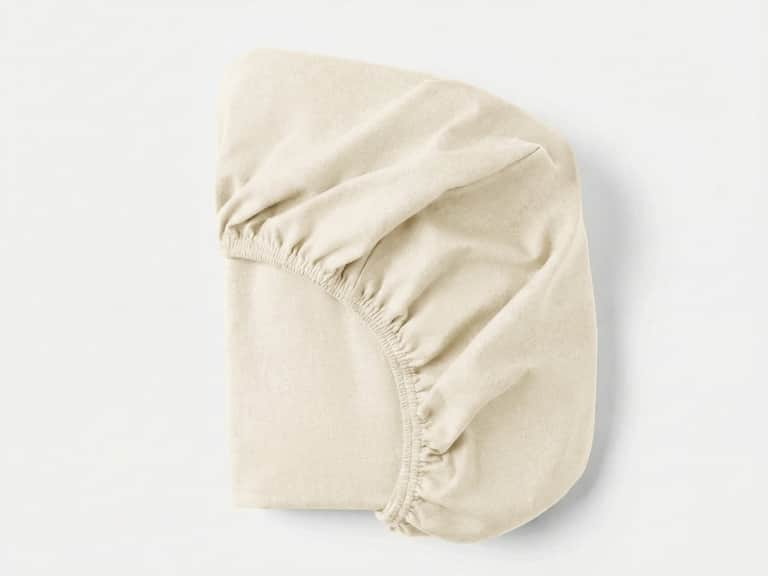
Cloud Brushed™ Organic Flannel Crib Sheet
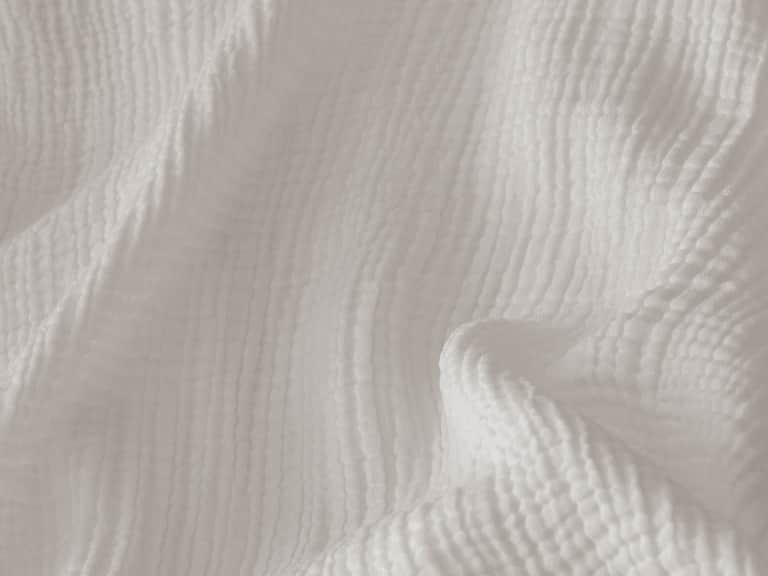
Snuggle-ready and durable, this organic cotton crib sheet stays velvety soft wash after wash, fits snugly, and keeps baby cozy all night—while being gentle on skin and easy to care for.
A nuanced guide to selecting sleep surfaces for growing bodies, balancing safety certifications, materials, and long-term durability. We explore how organic options translate into real-world comfort and cleanliness in kids’ bedrooms, with historical perspectives and practical checklists you can use today.
The modern kid’s sleep environment sits at the intersection of comfort, hygiene, and long-haul health. An organic mattress is not merely a trend but a promise: a surface built without toxic flame retardants, synthetic dyes, or pesticides-laden soils—protections that matter most when tiny bodies spend hours cocooned in rest. In conversations about sleep health, the focus often lands on sheets and pillows, yet the mattress itself anchors nightly well-being. A child’s developing nervous system and immune defenses are particularly sensitive to environmental cues. An organic mattress—paired with cover fabrics cultivated without synthetic pesticides and treated with child-safe finishes—offers a baseline of cleanliness and comfort that supports routines, not disrupts them.
To understand the value proposition, it helps to lean on certifications. GOTS (Global Organic Textile Standard) signals organic cotton at every stage of production and a commitment to non-toxic inputs. GREENGUARD Gold adds another layer, indicating low chemical emissions that contribute to healthier indoor air quality. These certifications aren’t mere bureaucratic flourishes; they translate into tangible outcomes: softer fabrics, cooler sleep environments, and less exposure to potential irritants over years of use.
The conversation also hinges on material choices. Organic cotton remains a familiar baseline—breathable, soft, and easy to launder. Latex brings resilience and a distinctive buoyancy that can support proper spinal alignment, especially for kids who move a lot in their sleep. Wool offers temperature regulation and natural moisture management. Each material has a narrative about durability: how it wears, how it breathes, and how it behaves with a family’s laundering cadence.
As we consider practical evaluation, we reach for a simple framework: safety certifications, material composition, and a warranty that stands the test of time. The aim is not to choose an ideal model out of a showroom but to select a sleep surface that aligns with a family’s daily routines and long-term goals for health, cleanliness, and calm.
The following framework helps families compare products across familiar brands that appear in reputable catalogs, such as Naturepedic, Sleep and Beyond, and Holy Lamb Organics. When you’re at the point of inquiry, ask these questions:
The goal is to translate certification and material claims into everyday experiences: does a mattress stay cool during warmer nights? Does a cover resist staining and wear after multiple wash cycles? How easy is it to rotate or flip as a child grows? The answers you collect will shape both comfort and hygiene in the child’s room for the next several years.
Organic cotton is the familiar baseline, offering softness and breathability. When paired with a belted or encased core—such as latex or coconut coir—the surface remains stable while maintaining a gentle, non-toxic interior. For families drawn to memory-foam constructs, a careful review of off-gassing and chemical treatments is essential; many manufacturers offset these concerns with certifications and closed-cell foams that meet strict safety standards.
Latex mattresses, natural or blended, provide springy support and resilience that can adapt to a child’s changing sleep positions. Natural latex tends to be breathable and durable, resisting impressions over time. Wool cores or wool-blend comfort layers add temperature regulation and moisture management, which can be especially valuable for night sweats or rooms with variable climates.
Wool is inherently moisture-wicking and temperature-regulating, a quality that supports a stable sleep environment. When used as a comfort layer or encasement, wool contributes a degree of insulation without trapping heat. If a family prioritizes sustainability, wool also offers a renewable resource profile, provided it’s sourced from mulesing-free and ethically managed supply chains.
In every option, the bed’s foundation matters: a solid core with proper edge support, a breathable quilt or cover, and a design that minimizes exposure to potential irritants through non-toxic, low-emission materials.
To illustrate how this landscape plays out in practice, consider three brands that frequently appear in credible organic bedding assortments.
When comparing these brands, look for consistent stories of non-toxic materials, stable casing, and accessible care instructions. A well-made organic mattress should maintain its integrity across several seasons of use, resist pilling, and not require overly aggressive or frequent laundering that could degrade its surface or core components.
To place the contemporary choice within a broader historical conversation, consider three figures who, in different eras, contributed ideas about cleanliness, design, and health that still resonate in today’s sleep-lacquered world.
Pioneer of modern hospital hygiene and hospital design
Nightingale’s insistence on cleanliness as a medical imperative carved a path for modern domestic health literacy. Her ideas about infection control, sanitary conditions, and structured routines helped normalize a world in which cleanliness was not a luxury but a baseline expectation. In the realm of children’s sleep environments, this ethos translates as a disciplined approach to choosing materials and finishes that minimize irritants and support consistent hygiene practices—habits that echo into modern routines of washing bedding and maintaining room safety.
Architect of functional simplicity and human-centered design
Le Corbusier championed simplicity, proportion, and the idea that space shapes well-being. His influence on modern interiors—especially the prioritization of clean lines, calm color palettes, and functional furniture—resonates with the Direction B ethos: routines and spaces that are uncluttered and conducive to habit formation. In kids’ rooms, this translates to design choices that reduce visual noise and support organizational frameworks, encouraging children to participate in daily care as a form of sensory harmony rather than a burden.
Urbanist and advocate for lively, safe neighborhoods
Jacobs celebrated the social energy of planned communities and the safety that dense, well-used spaces foster. Applied to the family home, her sensibility translates into thoughtful, family-wide routines—chore charts, predictable bedtimes, and shared spaces that cultivate accountability and collaboration. A clean, organized kid’s room becomes not a shrine to perfection but a supportive habitat where daily rituals unfold with less friction and more sense of belonging.