The Clean Bedroom Kids: Routines, Rituals, and the Language of Order
A strategic look at domain identity, habit-forming households, and the quiet art of keeping a child’s space both tidy and humane.
In the quiet hours between morning rush and the last goodnight, a home reveals its true architecture: not the bricks and beams, but the routines that keep the rooms usable, safe, and humane. The domain thecleanbedroomkids.com speaks to is not merely about a physical space; it is a scaffold for daily life. It asks: what does a child’s room become when adults and children share responsibility for order, calm, and safety? And what language do we use to describe that shared responsibility without drifting into judgment or mysticism?
This article is a guided tour through a brand identity built on three pillars: a practical habit framework for families, a posture of non-judgmental coaching, and a design-forward sense of safety and accessibility. It also introduces a concrete product anchor from the catalog: the Naturepedic Savona FSC-certified Oak Kids Nightstand, a piece that embodies sturdy, sustainable design as a companion to daily routines.
Domain Meaning: A Name as a Mission Statement
The name thecleanbedroomkids.com carries a dual immediacy and openness. Linguistically, it frames a space that is both aspirational and practical: a “clean bedroom” for children, and a guide to maintaining such a space. Historically, the phrase functions as a branding signal—clean as a standard of behavior, a lifestyle principle, rather than a mere aesthetic. In a realm dominated by product roundups and aesthetics-first content, the domain stakes a claim on routines, accountability, and process as the core currency of value.
Two threads emerge from this naming logic. The first is utility: the site as a repository of how-to content—morning, after-school, and bedtime routines; printable checklists; age-appropriate chores; and simple, reproducible systems that families can implement without a shopping cart in every paragraph. The second thread is narrative: stories and expert perspectives that explain why routines work, how habits form in children, and how a household can accommodate disruption while preserving a sense of order. In short, the domain promises less of a product catalog and more of a domestic encyclopedia—one that grows with its readers.
Direction and Voice: Why Habit Coaching Instead of Decor
Among the three potential directions considered for the site, Direction B—Household Habits and Routine Coaching for Families—best aligns with a long, sustainable editorial arc. It allows for a recurring cadence: weekly routines, printable trackers, expert Q&As, and case studies. It keeps the content evergreen. And it anchors the “clean” concept in behavior, which most families will recognize as both achievable and meaningful. This is not a claim that internal cleanliness is moral virtue; it’s a claim that orderly routines reduce friction, save time, and foster a sense of security for kids navigating big transitions—from school to summer camps to family moves.
To balance authority with approachability, the tone should be friendly, non-judgmental, and evidence-informed. The editorial stance—The New Yorker meets the modern family home—advocates for clear, actionable ideas explained in accessible language. The voice invites readers to participate, share, and adapt. It embraces inclusivity and avoids prescriptive perfectionism.
Key Individuals Across Time: A Mini-Canon of Household Wisdom
To give the site an anchor in human voices, we can imagine three key individuals—each from a different era—whose approaches to order, care, and daily life illuminate the through-lines of a modern habit-coaching platform.
-
1) Socratic Early Modernity: Maria Montessori (1870–1952)
Montessori’s pedagogy was a study in structured autonomy: the child with access to their own tools, a prepared environment, and the freedom to practice daily routines. The Montessori method treats the environment as a teacher, and the child as a capable agent. In a household context, Montessori’s ethos translates to child-sized responsibilities, clear labeled shelves, and practical independence. The New Yorker-esque framing would translate this into a practical essay: “How to design a child-friendly routine that respects their agency” and a printable checklist—age-appropriate tasks, spacing, and a simple, standardized routine the child can own.
-
2) Mid-Century Behavioral Science: B.F. Skinner (1904–1990)
Skinner’s work on behavior and habit formation—cue, routine, reward—offers a lucid lens for home-life routines. The family home becomes a laboratory for gentle reinforcement, a system in which cues trigger orderly action and the rewards are intrinsic (a sense of accomplishment, reduced friction in mornings). In article form, this would become a practical primer: “Why routines work for kids, and how to build a cue-routine-reward loop without bribery.” The key is to keep the science approachable, not clinical, with child-friendly language and printable tracking sheets.
-
3) Contemporary Design Thinkers: Don Norman (b. 1935) and beyond
Norman’s insistence on human-centered design offers a modern lens on the home as a product of thoughtful design. The nightstand, the drawer, the toy bin—all become elements of a system that reduces friction and makes the right thing the easy thing. In editorial voice, we’d frame this as “designing a kid’s room that invites tidy, safe, and joyful routines,” with practical notes on layout, labeling, color psychology, and safety. A product anchor—like the Naturepedic Savona Kids Nightstand—becomes a case study in how a well-made object supports daily habit formation.
These figures, from different epochs, collectively illuminate a path: routines are not a modern luxury; they are the infrastructure of daily life. The site can weave their lessons into articles that feel intimate, precise, and actionable, while the morning, after-school, and bedtime sequences provide a practical backbone for readers to adopt and adapt.
Product Anchor: Naturepedic Savona Nightstand as a Case Study
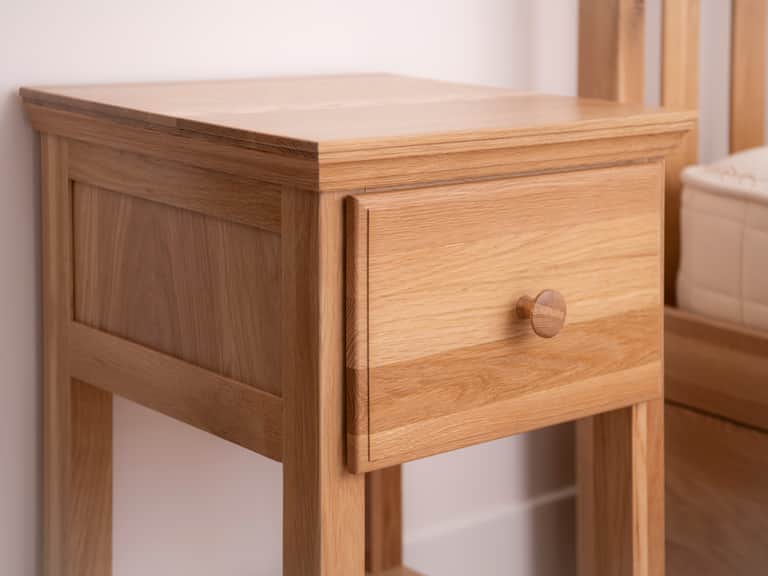
To ground the editorial ambitions in tactile reality, the Naturepedic Savona FSC-certified Oak Kids Nightstand offers a compelling example of how a carefully crafted object can support living-with-routines. Built from solid white oak with a low-VOC water-based finish, the Savona Nightstand embodies durability, safety, and a design language compatible with a wide range of kid-friendly rooms. Its features—spacious drawer, open shelf, anti-tip considerations, and easy assembly—translate directly into a home life principle: give children reliable, reachable, and clearly labeled places to store their essentials. The nightstand’s GREENGUARD Gold certification and adherence to safety standards translate into editorial guidance, such as a “bedside safety checklist,” a routine for setting up a safe sleep space, and a moderation guideline for what a child should keep within arm’s reach at night.
The article could present a visual, narrative vignette: a child placing a flashlight and a favorite book into the drawer, a parent labels a bin for bedtime essentials, the nightstand’s quiet presence supporting a calm bedtime ritual. It is not a product pitch; it is a narrative exemplar of how design supports habit. When readers see a piece of furniture functioning as a quiet partner in daily life, the intangible becomes tangible, and habits become possible.
Naturepedic Savona Kids Nightstand
Solid FSC-certified white oak, water-based finish, tall but approachable presence. Drawer + open shelf for bedtime essentials.
Safety first: GREENGUARD Gold certified; anti-tip testing; durable construction that grows with a child. A practical focal point for a calm, organized bedroom.
Nightstand as Habit Enabler
A long-term ally for routines: place a glass of water, a flashlight, a storybook, and a small lamp—everything a child might reach during a nighttime routine.
The design logic: accessible storage reduces friction, supports independence, and reinforces a predictable ritual that signals sleeptime.
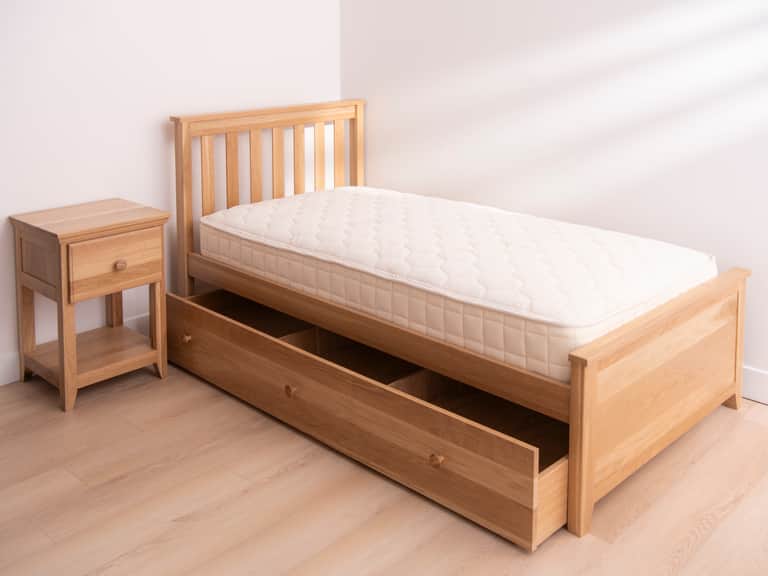
Images of the Savona Nightstand, including the natural finish and the accompanying trundle drawer, demonstrate how hardware and material choices shape a room’s atmosphere. (Note: visual references are included in this article for readers who are following along; the content here treats furniture as a narrative device rather than a mere decoration.)
Editorial Structure: Sample Pages and Article Outlines
To fulfill Direction B, here are concrete sample pages and outlines that could populate the site’s early architecture. Each outline emphasizes a practical, non-commercial approach and uses printable resources to support families without requiring a purchase path.
- How to Design a 10-Minute Morning Routine for a Tidy Kids’ Room — Step-by-step with a printable minute-by-minute timeline, cue cards for kids, and a check-in from a pediatrician on the developmental benefits of routine.
- Printable Weekly Chore Chart (No Rewards System) — A color-coded, age-appropriate chart that emphasizes autonomy and accountability without bribes; includes guidance on parental follow-through and feedback.
- Why Routine Matters: The Psychology of Habit Formation for Children — Evidence-informed explainer with accessible language, citing Skinner’s theory and current child-development insights; paired with a simple “cue-routine-reward” template families can customize.
- Room-Care Checklists: Safety, Cleanliness, and Comfort — A triad of checklists that address outlets, cords, furniture edges, toy storage, and cleaning tasks suitable for different ages; designed for quick annual refreshes.
- Case Studies: Real-Life Routine Successes — Reader-submitted narratives and expert commentary illustrating practical adaptations for various family structures and children’s temperaments.
These outlines—bridging the editorial voice with practical utility—illustrate how the site can grow into a repository of recurring, value-driven content that readers may return to for steady guidance.
Accessibility and Community: A Non-Commercial Ethic
The site’s core mission centers on accessibility. That means mobile-first design, clean typography, and clear navigation. It also means that downloadable PDFs and printable resources are offered without gating or paywalls. A potential community feature—comments or optional reader-submitted routines—can cultivate a sense of shared experience without turning the site into a marketplace. Partnerships with non-profit or educational initiatives can extend reach without revenue-sharing complications, ensuring that the site remains true to its mission: help families build sustainable habits that make homes calmer and kinder.
In keeping with the design emphasis, the site should present content in a modular format: short, readable sections that can be scanned; bold, informative headings; and callouts that highlight practical steps. The editorial layout must feel like a quiet, confident guide rather than a loud, sales-driven portal.
Conclusion: A Center for Habit and Home
In a world where design trends chase the next gadget and the next color palette, the clean bedroom—when understood as a system of routines—offers something lasting: less chaos, more confidence, and a daily rhythm that supports both children’s growth and parental sanity. The clean bedroom, in this sense, becomes less about aesthetics and more about the architecture of everyday life. The site, guided by Direction B, aspires to be a reliable companion for families seeking to cultivate habits that translate into tidy rooms, calmer mornings, and nights that end with a shared sense of closure and care.